Signs Your Pickleball Court Needs Resurfacing
Signs your pickleball or tennis court needs resurfacing include cracks, uneven surfaces, and worn-out paint, which local service providers can repair to restore optimal play conditions.
If you own a pickleball court or tennis court, recognizing the signs that it may need resurfacing is essential for maintaining optimal play conditions and preserving the value of your property. Over time, courts can develop issues such as cracks, uneven surfaces, or fading markings, which can impact safety and gameplay. Property owners in the area who notice these signs might consider reaching out to experienced service providers who specialize in court resurfacing. Keeping an eye out for these visual cues can help ensure that your court remains a reliable and enjoyable space for your favorite sport.
Understanding when a court needs resurfacing can also prevent more costly repairs down the line. Common indicators include a rough or peeling surface, persistent water pooling, or a decline in traction that affects play. Local contractors who offer pickleball and tennis court resurfacing services have the expertise to address these issues efficiently, restoring the court’s surface to a smooth, safe, and visually appealing condition. Continuing to monitor your court’s condition and recognizing these signs early can help property owners maintain a high-quality playing environment for years to come.
- Pickleball court resurfacing - is needed when surface cracks or fading become noticeable, and local contractors can assess and restore the court's playability.
- Tennis court resurfacing - may be required if the surface becomes uneven or develops a rough texture, with service providers specializing in smooth, durable finishes.
- Pickleball court resurfacing - is essential when peeling or flaking paint affects the court lines, and local pros can reapply markings for clear gameplay.
- Tennis court resurfacing - becomes necessary if drainage issues cause water pooling, with local contractors offering solutions to improve court longevity.
- Pickleball court resurfacing - should be considered if the surface shows signs of wear that impact ball bounce, and service providers can revitalize the court for optimal performance.
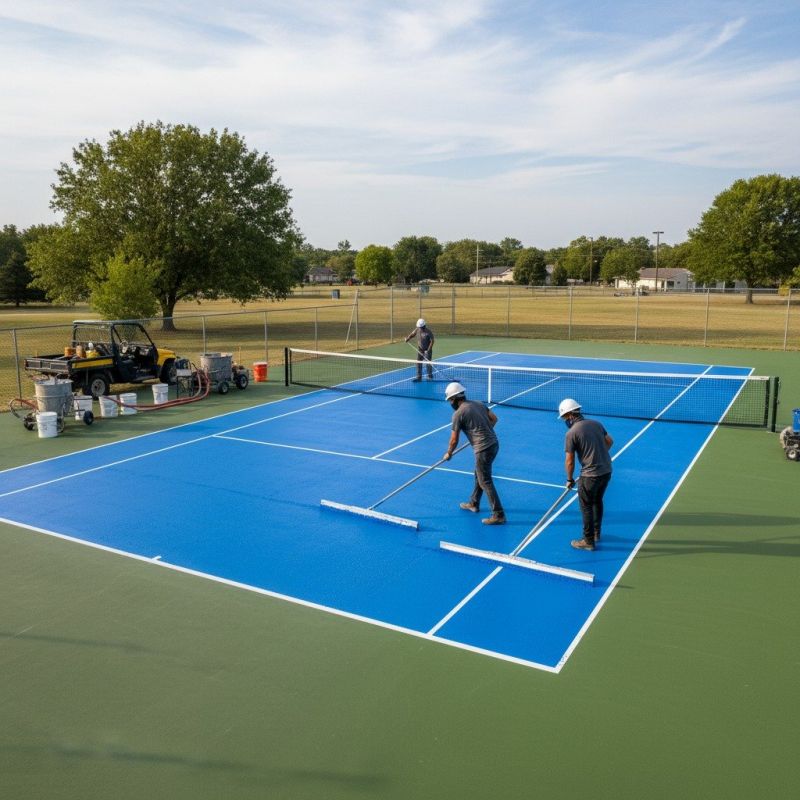
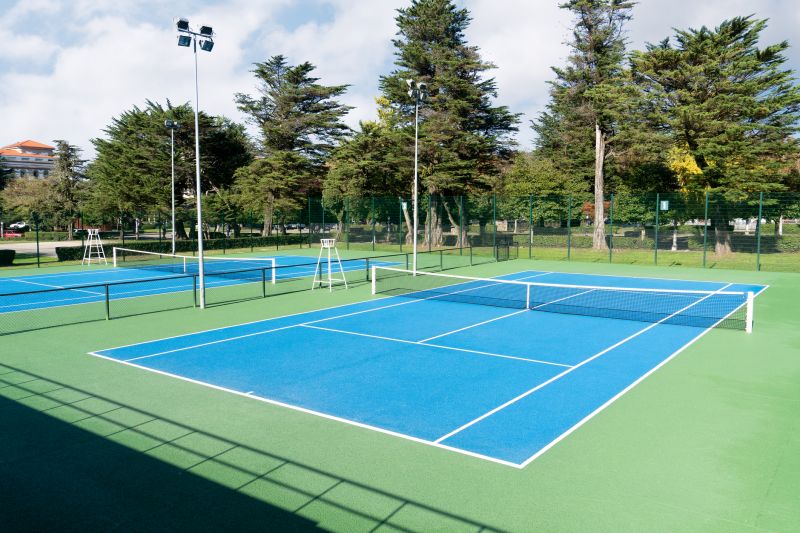
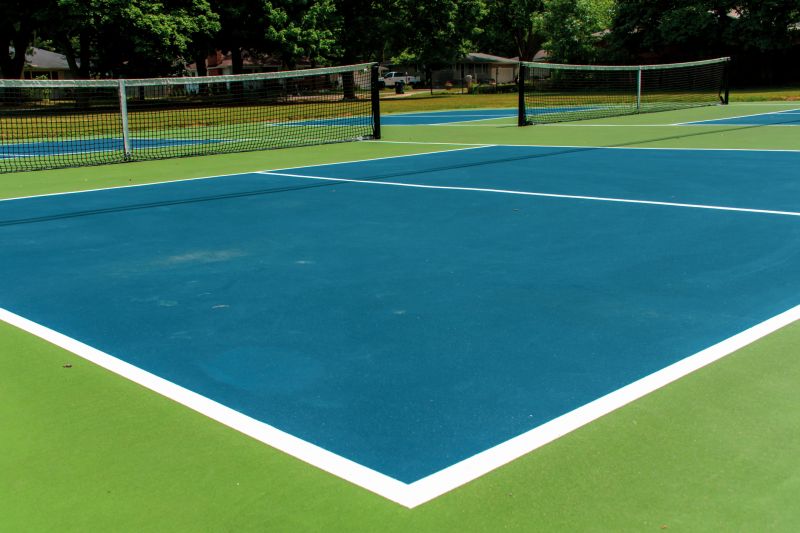
When people search for signs their pickleball court needs resurfacing, they are typically looking for clear indicators that the current playing surface is deteriorating or no longer providing optimal play conditions. Over time, courts can develop visible issues that affect gameplay, such as cracks, uneven areas, or surface wear. Recognizing these signs early can help property owners plan for necessary repairs before problems worsen, ensuring the court remains safe and enjoyable. Homeowners or facility managers often want to understand what to look for so they can maintain the quality of their courts and avoid more costly repairs down the line.
These signs are usually related to the physical condition of the court surface, which can impact the safety and performance of pickleball games. Common problems include surface peeling, which creates loose debris and uneven spots, as well as cracks or holes that can cause tripping hazards. Discoloration or fading might also indicate the surface has lost its protective coating, making it more vulnerable to weather damage. For those planning upgrades or repairs, identifying these issues helps determine whether resurfacing is necessary or if more extensive repairs are required to restore the court’s integrity.
The types of properties that typically come up in discussions about pickleball court resurfacing include residential backyards, community recreation centers, sports clubs, and private clubs. Residential properties often have smaller, custom courts built for personal use, and these can suffer from surface degradation over time due to weather exposure or frequent use. Community facilities and clubs tend to have larger courts that see regular play, making maintenance and resurfacing critical to keep courts playable and safe. Local contractors experienced in pickleball and tennis court resurfacing are familiar with the specific needs of these different property types and can provide tailored solutions to address their unique conditions.
Understanding signs your pickleball court needs resurfacing is essential for property owners who want to maintain a high-quality playing environment. Whether it's noticing surface cracks, uneven patches, or surface deterioration, these issues signal that the court may require professional resurfacing services. Local service providers specializing in pickleball and tennis court renovations can assess the condition of the surface and recommend appropriate repairs or resurfacing. By addressing these signs promptly, property owners can extend the life of their courts, improve gameplay, and ensure safety for all players.
Basketball Court Resurfacing - This project involves restoring outdoor sports surfaces with similar planning and surface preparation skills used in pickleball court resurfacing.
Tennis Court Maintenance - Tennis court resurfacing shares techniques for crack repair and surface leveling that are applicable to pickleball courts needing attention.
Playground Surface Repair - Repairing and resurfacing playground areas requires surface assessment and preparation skills similar to those used in pickleball court maintenance.
Basketball Court Painting - Applying new surface coatings and line markings on basketball courts aligns with the surface finishing processes for pickleball courts.
Sports Court Cleaning Services - Deep cleaning and surface preparation for various sports courts utilize similar tools and techniques as pickleball court resurfacing projects.
Concrete Surface Restoration - Restoring cracked or damaged concrete surfaces involves planning and repair skills relevant to resurfacing pickleball courts.
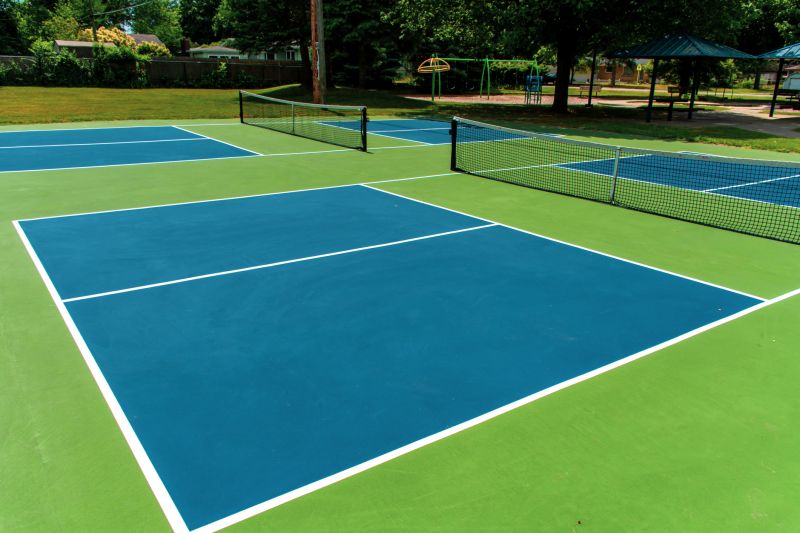
When evaluating potential service providers for resurfacing a pickleball or tennis court, it’s important to consider their experience with similar projects. Contractors with a history of working on courts of comparable size and surface type are more likely to understand the specific requirements and challenges involved. Asking about their past work can provide insight into their familiarity with court surfaces, repair techniques, and resurfacing materials, helping to ensure that the chosen professional has the skills necessary to handle the unique aspects of pickleball or tennis court resurfacing.
Clear, written expectations are essential when comparing local contractors. A reputable service provider should be able to offer a detailed scope of work, outlining the steps involved in the resurfacing process, the materials to be used, and the projected outcomes. Having this information in writing helps prevent misunderstandings and provides a basis for evaluating each contractor’s approach. It also allows homeowners to compare proposals more effectively, ensuring that the scope of work aligns with the specific signs indicating their court needs resurfacing.
Reputable references and good communication are key indicators of a reliable contractor. Asking for references from previous clients who had similar resurfacing projects can reveal how well a contractor manages their work and whether they deliver satisfactory results. Additionally, a service provider who communicates clearly, promptly, and transparently demonstrates professionalism and a commitment to customer service. This openness helps homeowners feel confident that questions will be answered and concerns addressed throughout the project, leading to a smoother process and a better overall outcome.
Property owners often search for signs your pickleball court needs resurfacing when they are planning practical projects around their homes and businesses. Local pros provide Pickleball or Tennis Court Resurfacing services for everyday jobs and straightforward project options.
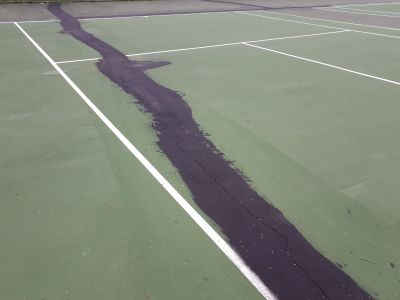
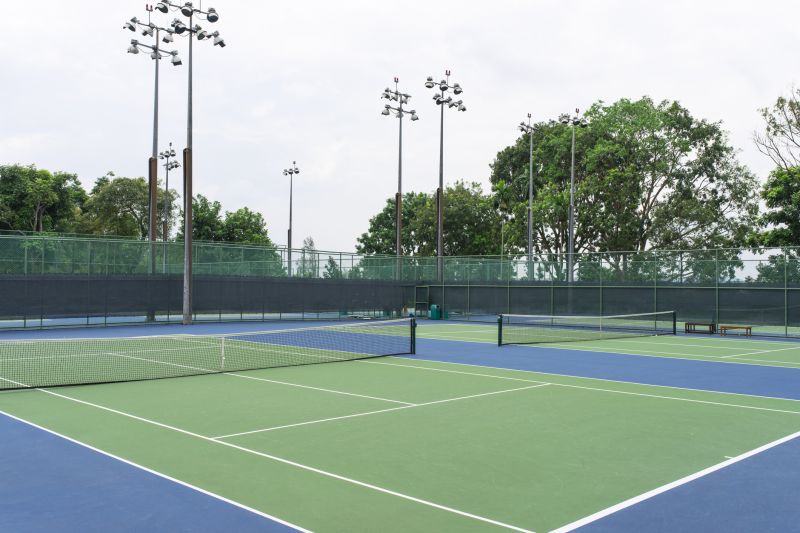
Signs your pickleball court needs resurfacing are often noticeable through common wear and tear. Cracks appearing across the surface, uneven areas that cause tripping hazards, or a faded playing surface can all indicate that the court's coating has deteriorated over time. Additionally, a decline in ball bounce consistency or the development of rough patches may impact gameplay, prompting property owners to seek professional resurfacing services to restore optimal playing conditions.
Property owners in the area might consider pickleball or tennis court resurfacing services when they observe peeling or chipped paint, persistent discoloration, or areas where the surface is no longer smooth. These issues can arise from weather exposure or regular use, making it important to consult experienced service providers who can evaluate the condition of the court and recommend necessary repairs. Connecting with local contractors ensures the court is properly resurfaced to maintain safety and performance.
What are common surface issues indicating a pickleball court needs resurfacing? Visible cracks, uneven areas, or peeling paint are signs that the surface may require attention from local contractors to restore proper playability.
How can discoloration or fading suggest resurfacing is necessary? Significant fading or uneven coloration on the court surface can indicate the coating is deteriorating, prompting local pros to consider resurfacing to maintain aesthetics and safety.
What role do surface texture problems play in identifying the need for resurfacing? Excessively rough, slick, or worn-out textures can affect ball bounce and player safety, signaling that local contractors should evaluate the court for resurfacing.
Are drainage issues a sign that a pickleball court needs resurfacing? Poor drainage leading to puddles or pooling on the surface often results from surface deterioration, and local service providers can address these issues through resurfacing.
When should I consider resurfacing based on surface wear and tear? Extensive wear patterns, bald spots, or areas with missing coating are practical signs that local contractors should perform resurfacing to ensure optimal court conditions.
Surface cracking or peeling - noticing cracks or peeling paint on the court surface can indicate the need for resurfacing services by local contractors to restore a smooth playing area.
Uneven playing surface - feeling inconsistent ball bounce or noticing dips and high spots suggests that the court may require resurfacing to ensure proper gameplay.
Fading or worn markings - faded lines and markings can impact visibility and gameplay, prompting property owners to seek resurfacing from local service providers.
Persistent puddles or drainage issues - water pooling or poor drainage after rain can signal that the court surface needs resurfacing to improve runoff and prevent damage.
If you are thinking about signs your pickleball court needs resurfacing for a property, this guide is meant to help you understand this topic, the typical project types, and how different options might fit your plans.
When you are ready, you can use the quote form on this page to share a few details about your project. From there, local pros can review the basics and follow up with options that match what you have in mind.