Differences Between Asphalt Courts for Tennis vs. Pickleball
People searching for tennis court and pickleball court asphalt installation are often looking to have durable, properly designed courts installed or resurfaced, and local contractors can help ensure the right specifications and quality for each sport.
Understanding the differences between asphalt courts for tennis and pickleball is essential for property owners considering new surface installations or upgrades. Each sport has unique playing styles and requirements that influence the ideal court design, surface texture, and durability. For those in the area exploring options, knowing how these differences impact performance and maintenance can help ensure a successful installation that meets specific recreational goals. Local contractors specializing in asphalt court installation can provide valuable insights tailored to these distinctions, helping property owners make informed decisions that enhance their outdoor spaces.
Asphalt court surfaces are versatile and widely used for both tennis and pickleball, but they are not one-size-fits-all. Factors such as surface hardness, traction, and shock absorption vary depending on the sport’s demands, affecting overall playability and longevity. Property owners interested in creating or renovating courts should consider these practical differences when planning their project. Connecting with experienced local service providers can ensure the right asphalt mix and installation techniques are used to optimize the court’s performance for either tennis or pickleball, making outdoor recreation more enjoyable and functional.
Get Quotes for Tennis Court And Pickleball Court Asphalt Installation
- Tennis court asphalt installation services are needed when constructing courts that require a durable, high-quality surface suitable for competitive play, with local contractors tailoring the asphalt mix and thickness to meet sport-specific standards.
- Pickleball court asphalt installation is sought when developing courts that prioritize a smooth, consistent surface for fast-paced gameplay, with local service providers adjusting the asphalt's finish and surface texture accordingly.
- Differences between asphalt courts for tennis vs. pickleball are considered by local pros when choosing surface hardness and rebound characteristics to optimize performance for each sport’s unique play style.
- Asphalt installation experts evaluate factors like court size and usage frequency to determine appropriate asphalt composition, ensuring courts for tennis or pickleball meet the specific demands of each game.
- Specialized asphalt work may be required to accommodate the different surface needs of tennis versus pickleball courts, with local contractors customizing installation techniques to match the intended sport.
When searching for information on the differences between asphalt courts for tennis versus pickleball, most homeowners are looking to understand how these two sports require different court setups and surface characteristics. The focus often falls on how the court’s surface impacts gameplay, safety, and durability. People interested in this topic may be planning a new court installation or considering upgrades to an existing one. They want to know whether a single asphalt surface can accommodate both sports or if separate courts are necessary, and how the specific needs of each game influence the asphalt’s design and finishing.
This topic is closely related to property improvement projects that aim to enhance recreational spaces or increase outdoor entertainment options. Homeowners often consider installing a new court as part of a backyard renovation or a community amenity upgrade. Understanding the differences between asphalt courts for tennis and pickleball helps in making informed decisions about layout, surface treatment, and materials. It also guides planning for potential future modifications, such as adding lines or adjusting court dimensions. Local contractors who specialize in asphalt installation can provide insights into the best practices for creating courts that meet the specific demands of each sport.
The properties that typically come up in these discussions include the size, surface texture, and line markings of the courts. Tennis courts generally require larger dimensions and a smooth, consistent asphalt surface to support high-impact play and ball bounce. Pickleball courts, on the other hand, are smaller and may benefit from different surface finishes that provide adequate grip without being overly abrasive. The type of asphalt used and the finishing techniques can influence how well the court performs for each sport. Homeowners should consider whether they need a versatile surface suitable for both sports or dedicated courts optimized for each activity, and local asphalt installation service providers can help assess these needs.
Understanding the differences between asphalt courts for tennis versus pickleball is essential for homeowners planning outdoor recreational improvements. It connects directly to property plans that aim to create durable, functional, and enjoyable sports surfaces. Local service providers experienced in asphalt court installation can assist in designing and constructing courts that align with the specific requirements of each sport. Whether installing a new court or upgrading an existing one, working with knowledgeable contractors ensures the finished surface will support the intended use and provide years of reliable service.
Sports surface installation - local contractors who specialize in installing various sports surfaces, including tennis and pickleball courts, can handle the unique requirements of asphalt court construction and finishing.
Concrete paving projects - professionals experienced in concrete paving can assist with foundation preparation and surface leveling necessary for durable asphalt sports courts.
Outdoor recreational area development - service providers who develop outdoor recreational spaces often have expertise in creating multi-sport courts with appropriate surfacing and markings.
Basketball court construction - contractors skilled in building basketball courts also work with asphalt surfaces, applying similar planning and installation techniques relevant to tennis and pickleball courts.
Playground surfacing services - providers who install playground asphalt surfacing understand the nuances of surface smoothness and safety features applicable to sports courts.
Landscaping and site prep - site preparation specialists can prepare the terrain and foundation needed for asphalt courts, ensuring proper drainage and stability for different sports surfaces.
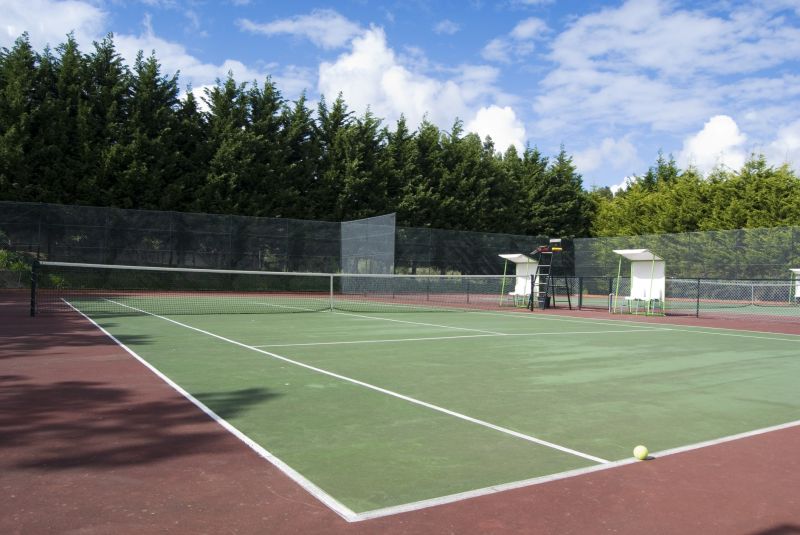
When comparing service providers for asphalt courts tailored to tennis or pickleball, it is important to consider their experience with similar projects. Homeowners should inquire about how many courts they have installed or renovated that are specifically designed for either sport, as the requirements for each can differ significantly. An experienced contractor will understand the nuances of surface thickness, slope, and material choices that influence playability and durability for tennis versus pickleball courts. This familiarity can help ensure the finished court meets the specific needs of the sport, providing the right surface texture and performance characteristics.
Clear written expectations are essential when evaluating asphalt installation services. Homeowners should seek detailed proposals that outline the scope of work, including surface preparation, asphalt mix specifications, and finishing techniques. A reputable service provider will be able to clearly communicate what the project entails, setting realistic expectations for the quality and longevity of the court. Understanding these details helps prevent misunderstandings and ensures that the installation aligns with the intended use, whether for tennis or pickleball, which may have different surface preferences or markings.
Reputable references and effective communication are key indicators of a reliable local contractor. Homeowners are encouraged to ask for examples of past projects and speak with previous clients to gauge the quality of work and professionalism. Good communication throughout the process-from initial consultation to project completion-can make a significant difference in addressing questions, clarifying project details, and ensuring the final result matches the homeowner’s vision. Selecting a service provider known for transparency and responsiveness can contribute to a smoother installation experience and a court that performs well for the specific sport it is intended for.
Get a Quote for Tennis Court And Pickleball Court Asphalt Installation
Property owners often search for differences between asphalt courts for tennis vs. pickleball when they are planning practical projects around their homes and businesses. Local pros provide Tennis Court and Pickleball Court Asphalt Installation services for everyday jobs and straightforward project options.
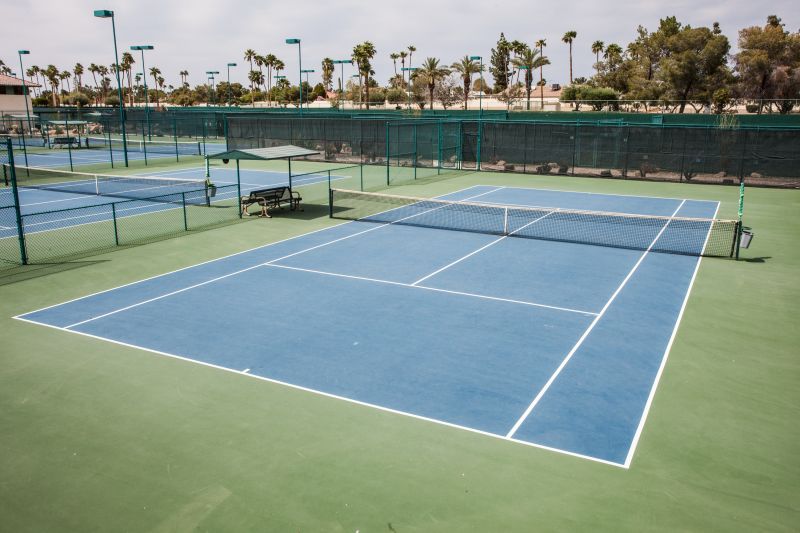
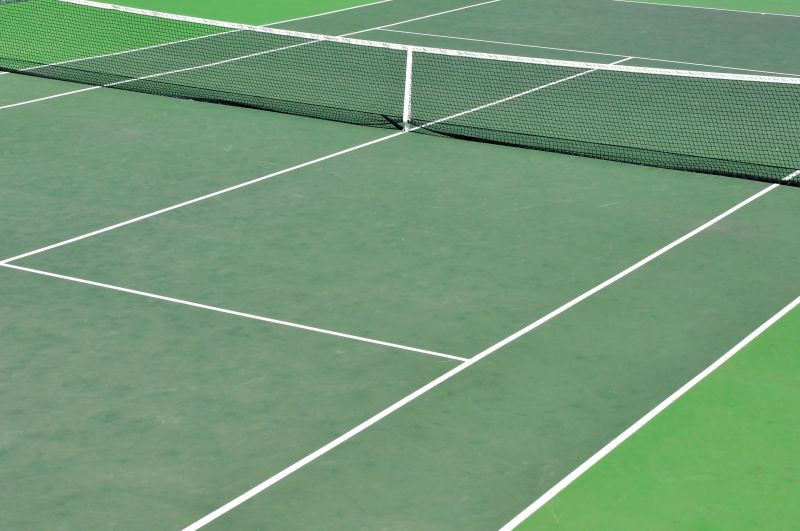
Understanding the differences between asphalt courts for tennis and pickleball can help property owners make informed decisions when planning a new court installation or resurfacing project. Tennis courts typically require a smoother, more durable asphalt surface that can handle high-impact play and larger court dimensions. In contrast, pickleball courts often benefit from a slightly textured asphalt surface that provides better traction and shock absorption for the smaller court size and quicker movements. Local contractors experienced in installing both types of courts can advise on the appropriate asphalt qualities and surface finishes to ensure optimal performance and longevity for each sport.
Property owners considering asphalt installation services for either tennis or pickleball courts may also want to understand how court size and surface texture influence the choice of asphalt. Tennis courts generally demand a more uniform and level surface to support consistent ball bounce and player safety, while pickleball courts might prioritize a slightly softer surface to reduce joint strain during fast-paced play. Local service providers can assess the specific needs of each sport and recommend asphalt solutions that meet those requirements, helping ensure the finished court offers a safe, functional, and enjoyable playing experience.
Get a Quote for Tennis Court And Pickleball Court Asphalt Installation
What are the main differences in asphalt court surfaces for tennis versus pickleball? Asphalt courts for tennis typically require a smoother, more durable surface to accommodate higher speeds and ball bounce, while pickleball courts often have a slightly textured surface to improve grip and accommodate different movement patterns. Local contractors can customize asphalt mixes to meet these specific needs for each sport.
How does the size of asphalt courts differ for tennis compared to pickleball? Tennis courts are larger, generally measuring 78 feet by 36 feet for doubles, whereas pickleball courts are smaller at 44 feet by 20 feet. Asphalt installation services can adjust the court dimensions during construction to match the sport's requirements.
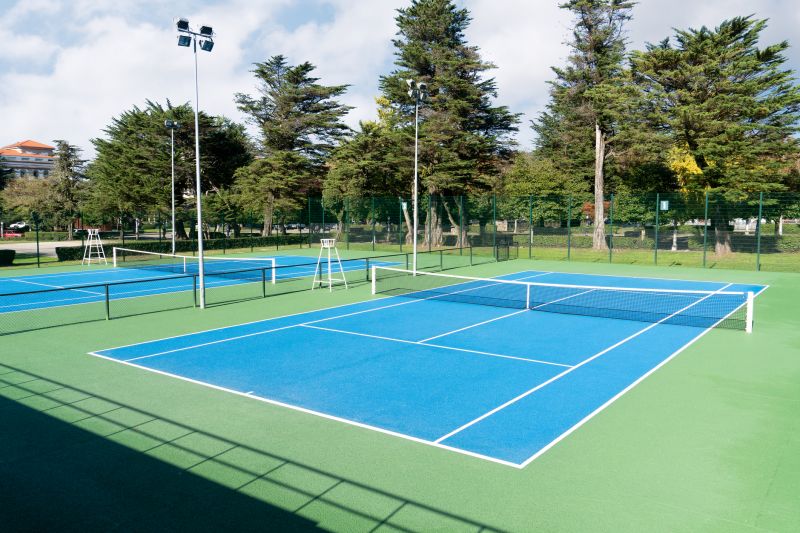
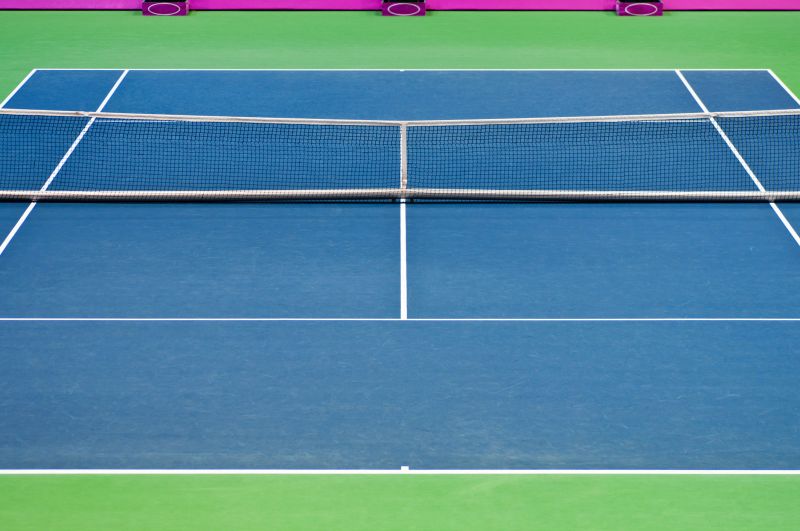
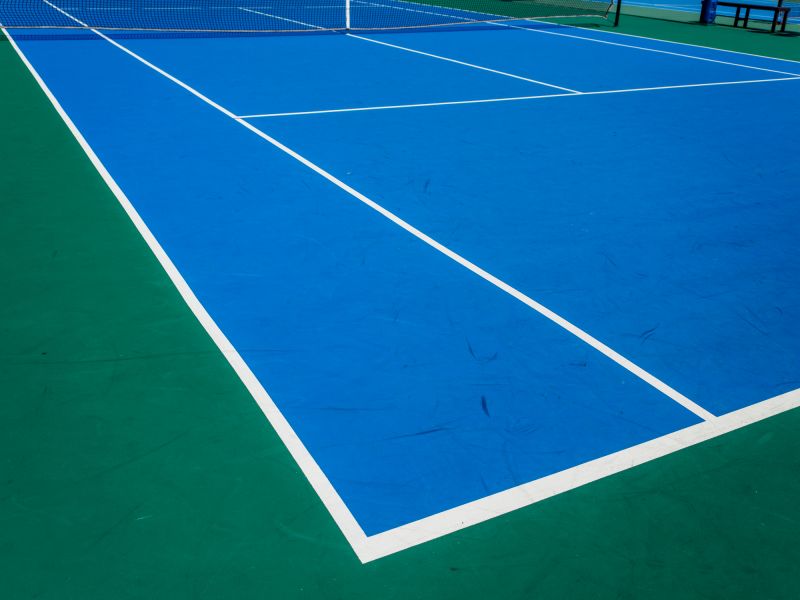
Are there differences in the color or markings for asphalt courts for tennis versus pickleball? Yes, tennis courts often feature traditional green or blue surfaces with specific painted lines, while pickleball courts may have different line markings and sometimes use contrasting colors for clearer boundaries. Local service providers can install the appropriate markings during asphalt court setup.
What impact do differences in asphalt court surfaces have on installation requirements for tennis versus pickleball? The installation process may vary in terms of surface preparation, thickness, and finishing to optimize performance for each sport. For example, tennis courts may need a more uniform surface, while pickleball courts might prioritize grip and quick rebound, which local contractors can tailor during installation.
Can asphalt courts for tennis and pickleball be built in the same area? Yes, it is possible to construct separate asphalt courts for each sport within the same location, with different surface treatments and markings. Local pros can design and install these courts to meet the specific needs of both sports while optimizing space and functionality.
Surface Smoothness - Local contractors can help choose asphalt mixes that provide a smooth playing surface suitable for tennis or pickleball, ensuring optimal bounce and player comfort.
Drainage Considerations - Proper drainage setup by local pros can prevent water pooling on asphalt courts, which is especially important for maintaining court usability after rain.
Surface Durability - Experts can recommend asphalt formulations that withstand frequent use and weather conditions, tailored to the specific demands of tennis or pickleball play.
Court Markings and Layout - Professional installation of court lines and markings ensures accurate dimensions and clear boundaries for either sport, based on the differences in court design.
If you are thinking about differences between asphalt courts for tennis vs. pickleball for a property, this guide is meant to help you understand this topic, the typical project types, and how different options might fit your plans.
When you are ready, you can use the quote form on this page to share a few details about your project. From there, local pros can review the basics and follow up with options that match what you have in mind.
Get a Quote for Tennis Court And Pickleball Court Asphalt Installation